



As parents, we spend so much time researching the safest products for our children.
We compare car seats. We read sunscreen labels. We research ingredients in snacks, soaps, and shampoos. We carefully choose what goes on our children’s bodies and what goes into them.
But there’s one thing many parents have never thought to ask:
What’s actually in the fabric of the swimwear our children wear for hours at a time?
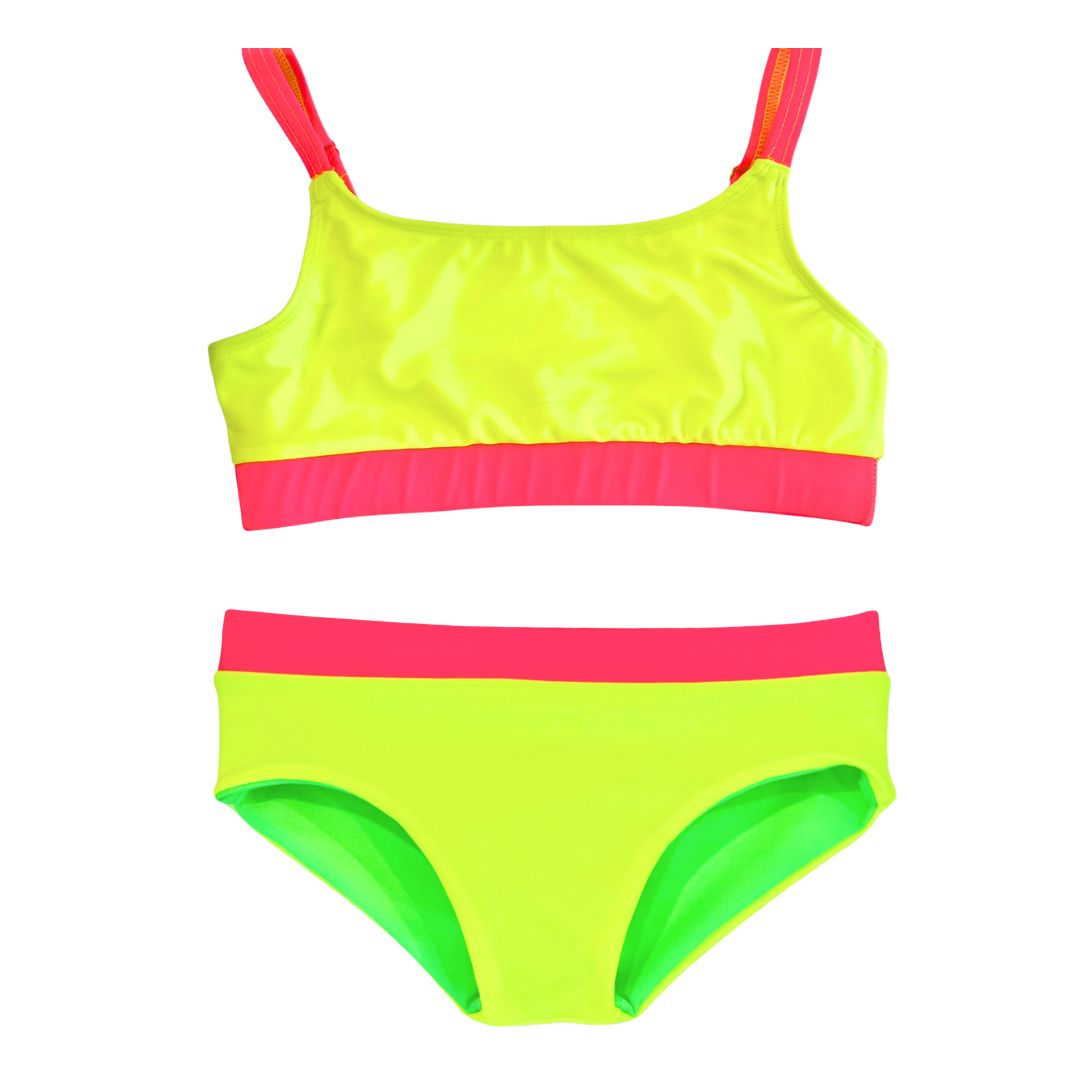
At HiViz Swimwear, this question became incredibly important to us when designing our products. We knew we wanted to create high-visibility swimwear that could help parents keep eyes on their children around water. But we also knew visibility alone wasn’t enough.
Because not all bright swimwear is created equal.
Why Swimwear Deserves Extra Attention
Children’s swimwear is different from everyday clothing.
Swimwear sits tightly against the skin for extended periods of time. It gets wet, heats up in the sun, stretches during movement, and is exposed to chlorine, saltwater, sunscreen, and sweat. Kids often spend entire days in their swimsuits during the summer months.
That’s a lot of prolonged skin contact.
And because children’s skin can be more sensitive than adult skin, many parents are beginning to ask more questions about the materials used in the products their children wear every day.
The Hidden Side of Bright Neon Fabrics
At HiViz Swimwear, our mission has always centered around visibility and safety. Our bright neon colors are intentionally designed to help children stand out near water, where every second matters.
But creating vibrant neon fabrics is not as simple as choosing a bright color.
Fluorescent and heavily dyed textiles can involve complex manufacturing and dyeing processes. Depending on how fabrics are produced, some textiles may contain residual substances from dyes, finishes, or chemical treatments used during manufacturing.
Most parents assume that if clothing is sold for children, it has automatically been thoroughly tested for harmful substances. Unfortunately, standards can vary widely across the apparel industry.
That’s why we made the decision early on that if we were going to create brightly colored swimwear for children, we wanted to go above and beyond when it came to material safety.
Why Parents Are Becoming More Concerned About Textile Chemicals
In recent years, more parents have started paying closer attention to the chemicals used in everyday products, especially products designed for children.
Research has raised concerns about certain chemicals commonly used in textile manufacturing because some may act as endocrine disruptors. Endocrine disruptors are substances that can interfere with the body’s hormone system, which plays an important role in growth, development, metabolism, and reproduction.
Children can be more vulnerable to chemical exposure than adults because their bodies and hormone systems are still developing. They also absorb proportionally more relative to their body size.
While no parent can eliminate every environmental exposure, many families are choosing to reduce unnecessary exposure where they reasonably can, especially in products that sit directly against a child’s skin for long periods of time.
And swimwear is unique in that regard.
Unlike everyday clothing, swimwear is:
- worn tightly against the skin
- exposed to heat and UV rays
- repeatedly soaked in water
- often worn for hours at a time
These conditions can increase parents’ desire to know more about the fabrics their children are wearing.
That’s one of the reasons we cared so deeply about sourcing OEKO-TEX® Standard 100 certified materials for HiViz Swimwear.
Why We Chose OEKO-TEX® Standard 100 Certified Materials
When sourcing fabrics for HiViz Swimwear, we intentionally chose OEKO-TEX® Standard 100 certified materials because we wanted an additional layer of confidence in the fabrics touching children’s skin.
OEKO-TEX® Standard 100 is one of the world’s best-known textile safety certifications. It tests textiles and fabric components for a wide range of harmful substances.
This includes testing for substances such as:
- Certain harmful dyes
- Heavy metals
- Formaldehyde
- Pesticides
- Residual chemicals from textile processing
The certification standards are especially strict for products intended for babies and children.
For us, this wasn’t just about meeting a standard. It was about aligning our products with the values that matter most to us as parents.
We believe parents deserve swimwear that prioritizes both:
- visible safety
- invisible safety
Visibility Safety and Fabric Safety Matter Together
At HiViz Swimwear, our neon designs are created to help families spot children faster around pools, beaches, lakes, and busy waterfronts.
But we also believe parents should feel good about the materials their children are wearing during those long summer days.
That’s why we chose to focus on both:
- high-visibility safety
- thoughtfully sourced OEKO-TEX® certified materials
Because when it comes to children’s products, details matter.
The Difference You Can’t Always See
Many swimwear brands focus only on appearance or trends. At HiViz Swimwear, every design decision starts with safety.
Our bright colors are designed to stand out around water. Our UPF 50+ fabrics help provide excellent sun protection. And our OEKO-TEX® certified materials help provide additional peace of mind about the fabrics touching your child’s skin.
We know parents already carry enough worries.
Choosing safer, more thoughtfully designed swimwear shouldn’t have to be one of them.
Why This Matters to Us Personally
HiViz Swimwear was created by parents who understand the fear of losing sight of a child near water. Every product we create is designed with real families in mind.
As moms, we wanted swimwear we could feel good about in every way:
- bright enough to increase visibility
- comfortable enough for all-day wear
- protective against the sun
- and thoughtfully made with certified materials
Because children deserve swimwear designed with their safety at the center of every decision.
And parents deserve transparency about the products they buy for their families.

