


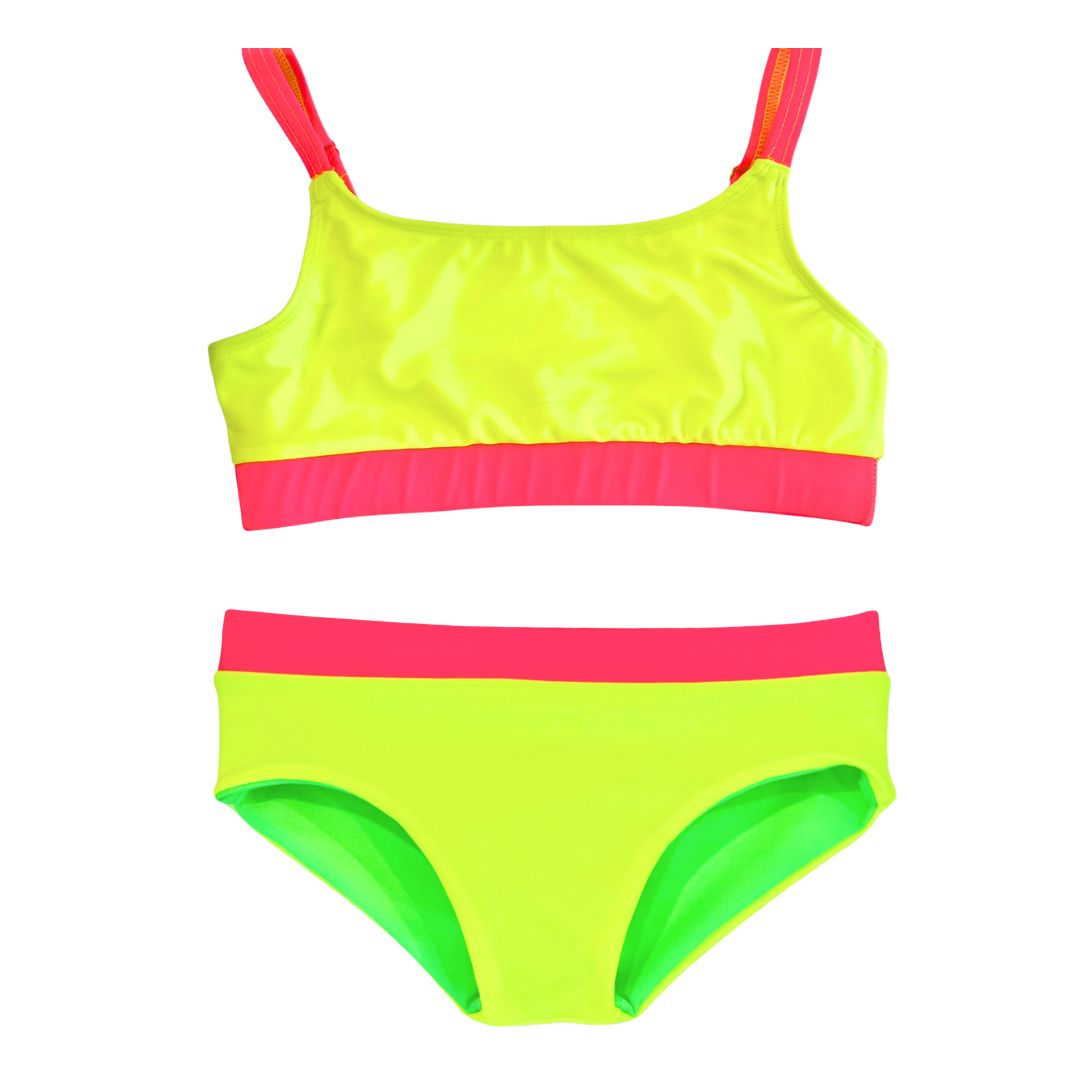

If you've ever noticed tiny balls of fabric forming on your swimsuit, you're not alone. This common issue is called pilling, and it can happen even with high-quality swimwear.
Understanding why pilling occurs can help you extend the life of your swimwear and choose pieces designed to handle active pool days, swim lessons, and beach adventures.
What Is Fabric Pilling?
Pilling happens when small fibers on the surface of fabric loosen and tangle together, forming tiny balls or fuzz on the material.
This most often appears in areas where the fabric experiences repeated friction, such as:
-
Under the arms
-
Along the sides of the suit
-
Around the seat or thighs
-
Anywhere the fabric rubs against pool edges or rough surfaces
While pilling may affect the appearance of swimwear, it usually does not impact the performance of the suit.
Why Does Swimwear Pill?
There are several reasons swimwear can develop pilling over time.
1. Friction from Pool Surfaces
One of the most common causes of pilling is contact with rough surfaces.
Kids often sit, scoot, or push themselves along:
-
Concrete pool decks
-
Rough pool edges
-
Textured pool steps
-
Splash pad surfaces
These rough materials create friction that can loosen fibers in the fabric.
At HiViz Swimwear, our suits are made from durable polyester/spandex fabrics designed to be abrasion-resistant under normal wear, including swim lessons, pool play, and lake days. However, extremely rough surfaces like concrete or textured pool edges can create enough friction to cause pilling over time in nearly any swim fabric.
2. Active Play and Swim Lessons
Swimming is an active sport, especially for children.
Frequent movements like:
-
Kicking
-
Sliding along pool walls
-
Practicing swim strokes
-
Playing in sand or on docks
can cause fabric fibers to rub together and eventually form pills.
For families participating in regular swim lessons or water play, some level of wear is completely normal.
HiViz Swimwear is designed with active kids in mind, using strong polyester/spandex blends that hold their shape and durability even with frequent swimming.
3. Fabric Composition
Most modern swimwear is made from blends of:
-
Polyester
-
Nylon
-
Elastane (spandex)
These fabrics are chosen because they provide:
-
Stretch and comfort
-
Quick drying
-
Chlorine resistance
-
Durability for active swimming
HiViz Swimwear uses high-quality polyester/spandex fabrics that are naturally more resistant to abrasion and chlorine exposure compared to many traditional swim materials. This helps the fabric maintain its structure and color even after repeated time in the pool.
However, like any knit stretch fabric, pilling can still occur if the material experiences repeated friction from rough surfaces.
4. Washing and Care Habits
How swimwear is cared for can also affect pilling.
Machine washing, especially with rough fabrics like towels or denim, and velcro can increase friction and loosen fibers.
To help reduce pilling, it's best to:
-
Rinse swimwear in cool water after swimming
-
Hand wash when possible
-
Avoid washing with towels or heavy fabrics
-
Air dry instead of using a dryer
HiViz Swimwear fabrics are also chlorine-resistant, which helps them hold up well with regular pool use. Rinsing suits after swimming helps remove chlorine, salt, and sunscreen residue that can weaken fibers over time.

Does Pilling Mean My Swimsuit Is Low Quality?
Not necessarily.
Even premium swimwear can experience pilling if it is exposed to repeated friction from rough pool surfaces, concrete, or sand.
In fact, kids who swim frequently may notice pilling sooner simply because their swimwear gets more use and/or more exposure to abrasive surfaces.
High-quality swim fabrics like the polyester/spandex blends used in HiViz Swimwear are designed to be durable and abrasion-resistant for everyday swimming, though extremely rough surfaces can still cause wear over time.
How to Reduce Pilling in Swimwear
While some wear is unavoidable, a few simple habits can help keep swimwear looking its best.
Avoid sitting directly on rough pool edges
Placing a towel down can reduce friction.
Rinse after every swim
This removes chlorine, salt, and debris that can weaken fibers.
Wash gently
Hand washing is the best way to protect delicate swim fabrics.
Rotate suits
Having more than one swimsuit allows fabric time to recover between wears.
Can You Fix Pilling on Swimwear?
Yes, in many cases pilling can be reduced or removed.
Because pilling forms when loose fibers tangle together on the surface of fabric, those small pills can often be gently removed without damaging the swimsuit.
Some common ways to address pilling include:
Using a fabric shaver
A small fabric shaver designed for clothing can safely remove pills from the surface of swimwear. Use light pressure and move gently across the fabric.
Carefully trimming pills
If you don’t have a fabric shaver, small scissors can be used to carefully trim pills from the fabric. Be sure to avoid cutting the fabric itself.
Preventing additional friction
Once pills are removed, reducing contact with rough surfaces like concrete pool edges or textured steps can help prevent new pilling from forming.
Because HiViz Swimwear uses durable polyester/spandex fabrics designed to be abrasion resistant with normal wear, pilling is most likely to occur after repeated contact with very rough surfaces rather than typical swimming activity.
If your child swims frequently in pools, lakes, or during swim lessons, occasional fabric wear is normal and does not affect the performance, stretch, or chlorine resistance of the swimsuit.
Swimwear Designed for Active Kids
At HiViz Swimwear, we design swimwear specifically for active kids, frequent swimmers, and swim lessons.
Our suits are made using durable polyester/spandex fabrics that are abrasion-resistant under normal wear and chlorine-resistant for long pool days. We also use OEKO-TEX® Standard 100 certified fabrics and materials, meaning they are tested for harmful substances and designed with children's sensitive skin in mind.
Combined with our signature high visibility colors, HiViz Swimwear helps parents keep an eye on their children in the water while providing swimwear designed to hold up to real summer adventures.
The Bottom Line
Pilling is a normal part of swimwear wear and tear, especially for kids who spend lots of time in the water.
Understanding what causes pilling and how to care for your swimwear can help keep your suits looking great throughout the swim season.
With durable fabrics, chlorine resistance, and thoughtful construction, HiViz Swimwear is designed to support kids through swim lessons, pool play, and long summer days in the water.
FAQ
Does Chlorine Cause Swimwear to Pill?
Chlorine itself typically does not directly cause pilling.
Pilling happens primarily due to friction, when fabric rubs against rough surfaces or repeatedly rubs against itself during movement.
However, over time chlorine can weaken fibers in swim fabrics, especially if suits are not rinsed after swimming. When fibers become weakened, they may be more likely to loosen and form pills when exposed to friction.
HiViz Swimwear is made using chlorine-resistant polyester/spandex fabrics, which helps the material maintain its strength, stretch, and color even with regular pool use.
To help extend the life of any swimsuit, it's best to rinse swimwear in cool water after swimming to remove chlorine, salt, sunscreen, and other residues.
Why Does My Child’s Swim Suit Pill Faster Than Mine?
Children’s swimwear often experiences more wear simply because kids are incredibly active in the water.
During swim lessons, pool play, and beach days, children frequently:
-
Sit on rough pool edges
-
Scoot along pool decks
-
Play on splash pads
-
Slide on textured steps
-
Sit in sand or on docks
All of these surfaces can create friction against swim fabric, which can lead to pilling over time.
Because kids tend to spend more time actively playing in the water than adults, their swimwear naturally experiences more friction and movement.
HiViz Swimwear is designed with these active conditions in mind. Our durable polyester/spandex fabrics are abrasion-resistant during normal swimming activities, though extremely rough surfaces like concrete or textured pool edges can still create wear over time.

