

When most parents shop for swimwear, they focus on things like color, fit, and sun protection.
But there’s another important factor that often goes unnoticed:
the fabrics and materials touching your child’s skin.
At HiViz Swimwear, we believe safety goes beyond visibility in the water and sun-protection. It also includes the fabrics and materials used to make the clothing your child wears.
That’s why our products are OEKO-TEX® STANDARD 100 certified.
But what exactly does that mean and why does it matter for your child?
Your Child’s Skin Is Their Body’s Largest Protective Barrier
Skin is the largest organ in the human body, and it acts as a protective barrier between the body and the outside world.
Children’s skin can be especially sensitive because it is still developing. It may react more easily to irritants, dyes, and chemicals that can sometimes be present in textiles.
Since swimwear sits directly on the skin, often for hours at a time in heat, water, and sun, the fabrics and materials used in those garments matter.
What Is OEKO-TEX® STANDARD 100?
OEKO-TEX® STANDARD 100 is one of the world’s most recognized textile safety certifications.
To receive this certification, fabrics and materials are independently tested for over 1,000 potentially harmful substances.
The testing is extensive and includes checks for substances such as:
• Certain dyes that may cause allergic reactions
• Heavy metals like lead and cadmium
• Pesticide residues
• Formaldehyde
• Plasticizers (such as some phthalates)
Even small components of a garment, like threads, linings, elastic, and trims are included in the testing process.
This means the certification evaluates every material used in the textile product, not just the main fabric.
Why Can Chemicals Be Found in Clothing?
Textiles go through many processes before becoming finished clothing.
During manufacturing, fabrics and materials may be treated with chemicals used for things like:
• Dyeing and coloring
• Wrinkle resistance
• Water resistance
• Fabric finishing
• Printing designs
Most clothing manufacturers follow safety regulations, but standards and regulations vary around the world.
Independent testing programs like OEKO-TEX help ensure textiles meet strict human-ecology safety standards.
How Common Are Chemicals in Clothing?
Research has shown that certain substances used in textile production can sometimes be found in clothing sold globally.
These substances can include:
• Residual dyes
• Chemical finishing agents
• Trace heavy metals
• Residues from manufacturing processes
The presence and level of these substances can vary depending on the fabric, materials, production methods, and supply chain.
This is one reason certifications like OEKO-TEX are valuable—they provide third-party verification that fabrics and materials have been tested against strict limits.
What Can Happen When Harmful Chemicals Are Present in Clothing?
Certain substances sometimes used in textile production have been associated with potential health concerns when exposure levels are high or prolonged.
Some chemicals used in textile manufacturing have been linked to:
• Skin irritation or allergic reactions
• Contact dermatitis or rashes
• Sensitivity to certain dyes or finishes
In some cases, certain substances have also been studied for their potential links to broader health concerns when exposure occurs through multiple sources over time.
This is one reason independent textile testing programs were developed to help ensure fabrics and materials meet strict safety standards before reaching consumers.
For parents, choosing clothing made with materials that have been tested for harmful substances can provide added peace of mind.
Why OEKO-TEX® Is Especially Important for Swimwear
Swimwear is unique compared to many other types of clothing.
It is typically:
• Worn directly against the skin
• Worn for long periods of time
• Exposed to heat, sunlight, and water
• Often worn by children with sensitive skin
Warm temperatures, sun exposure, and water can sometimes increase how materials interact with the skin.
Because of this, many parents prefer swimwear made with materials that have undergone additional safety testing.
OEKO-TEX certification helps ensure the fabrics and materials used in swimwear meet strict standards designed to protect human health.
Why This Matters for Kids
Children are often more sensitive to environmental exposures than adults.
Because kids:
• have thinner skin
• are still developing
• spend more time in direct contact with clothing
parents often prefer textiles made from fabrics and materials that have undergone additional safety testing.
For swimwear specifically, fabrics and materials are worn close to the skin and frequently exposed to water, heat, and sun, which makes material quality especially important.
Our Approach to Safer Swimwear
At HiViz Swimwear, safety is at the heart of everything we design.
Our swimwear focuses on three key elements:
High Visibility
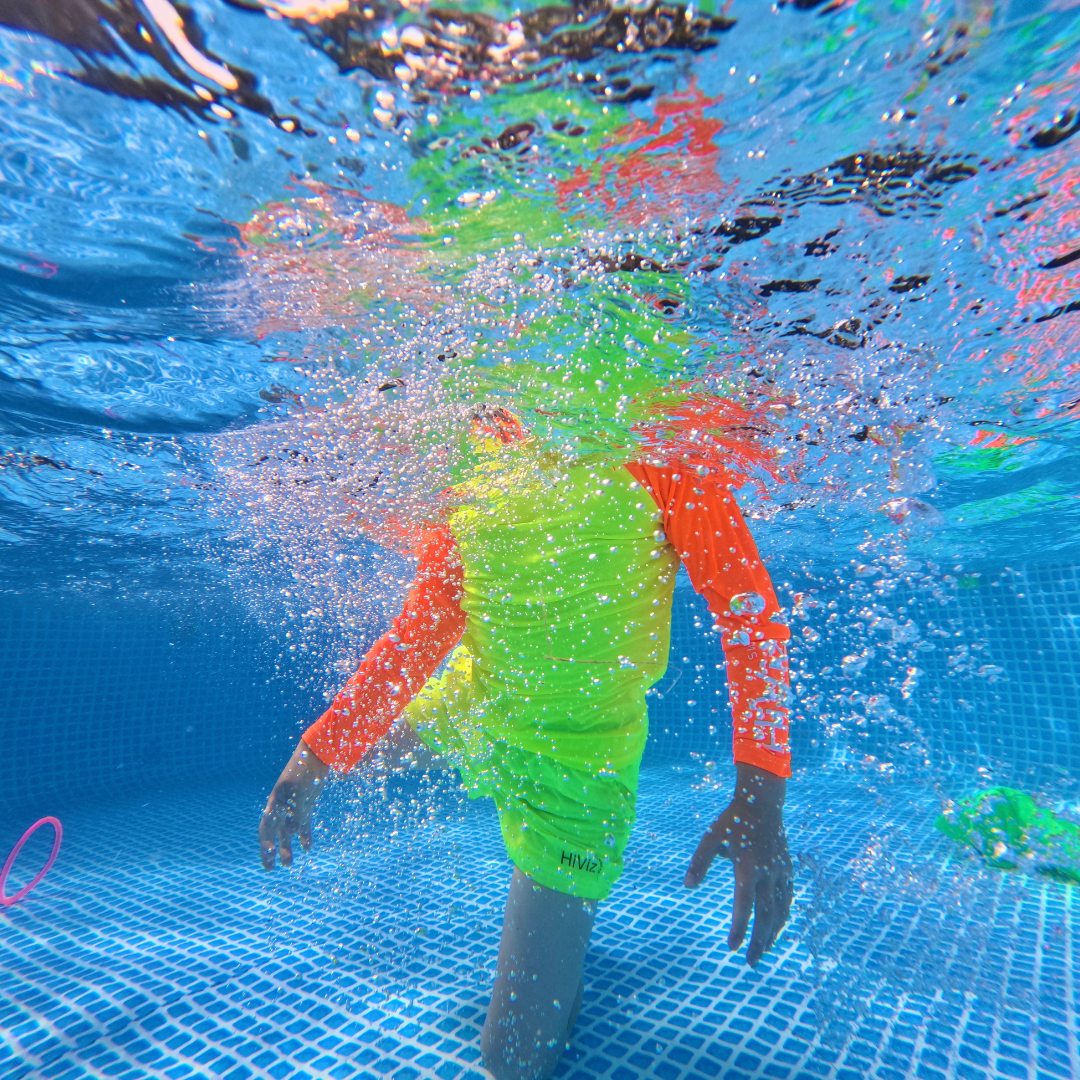
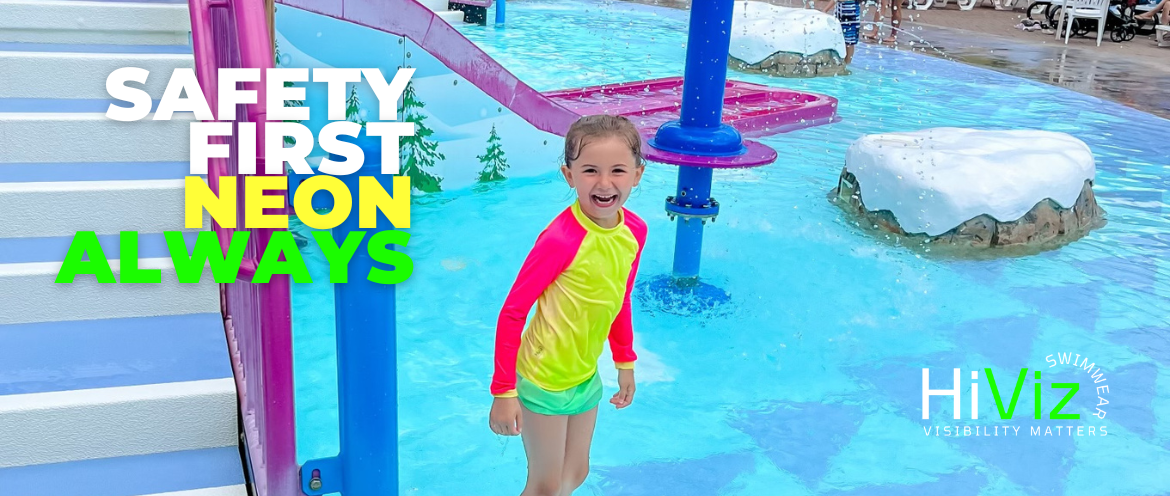
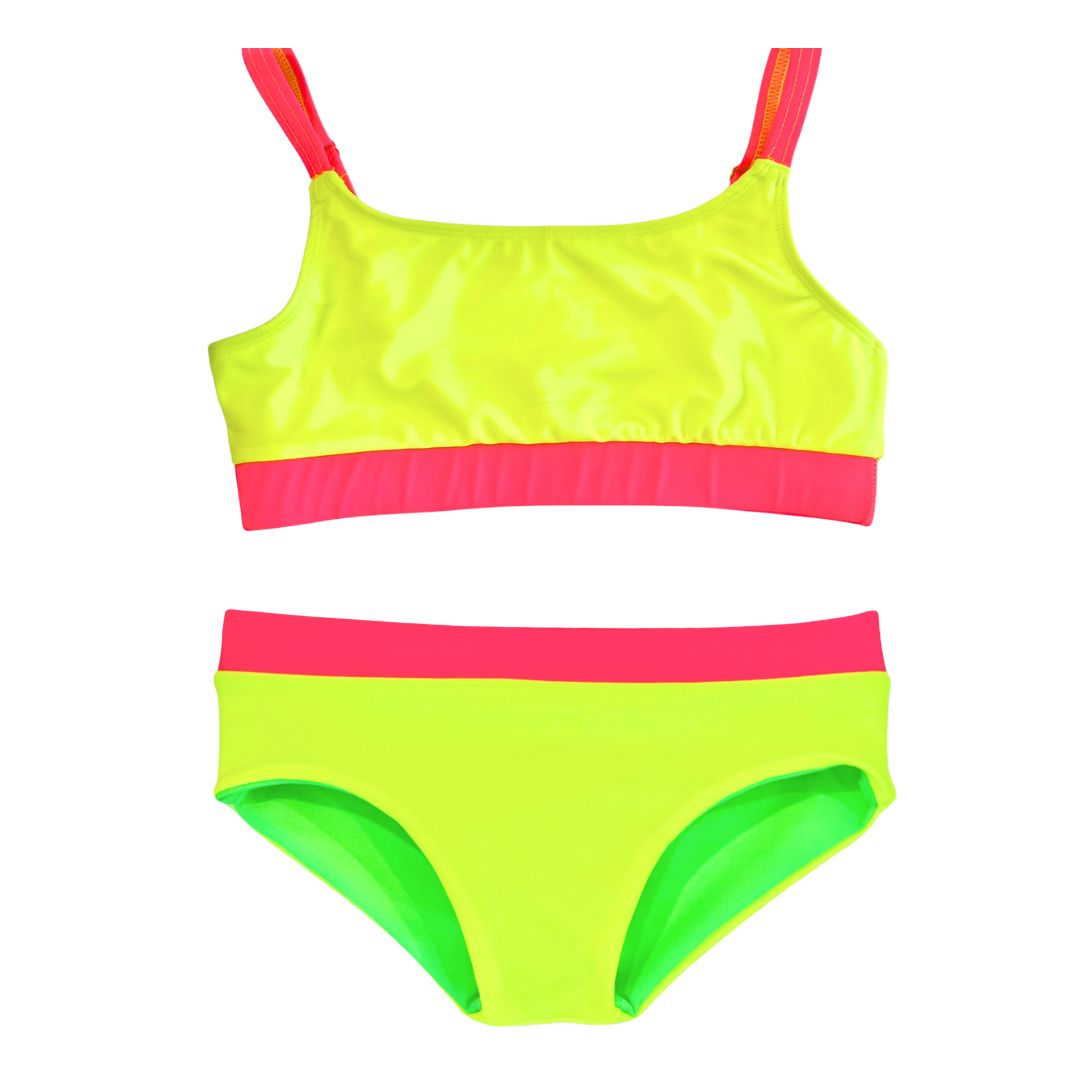
Bright neon colors help make children easier to see in the water.
Sun Protection
UPF 50+ fabrics help protect skin from harmful UV rays.
OEKO-TEX® STANDARD 100 Certified Fabrics and Materials
Our fabrics and materials are tested for harmful substances to help ensure they meet internationally recognized safety standards.
Small Details That Make a Big Difference
When it comes to children’s clothing, small details can matter.
Choosing fabrics and materials that have undergone additional safety testing helps provide extra peace of mind for parents.
It’s one more way we aim to support safer swim days for families everywhere.
The Bottom Line
The clothing children wear touches their skin all day long.
By choosing garments made with OEKO-TEX® STANDARD 100 certified fabrics and materials, parents can feel confident that those materials have been tested against a comprehensive list of potentially harmful substances.
At HiViz Swimwear, we believe safety should be built into every layer—from the bright colors that improve visibility in the water to the fabrics and materials that sit closest to your child’s skin.
Because safer swim days start with what kids wear.